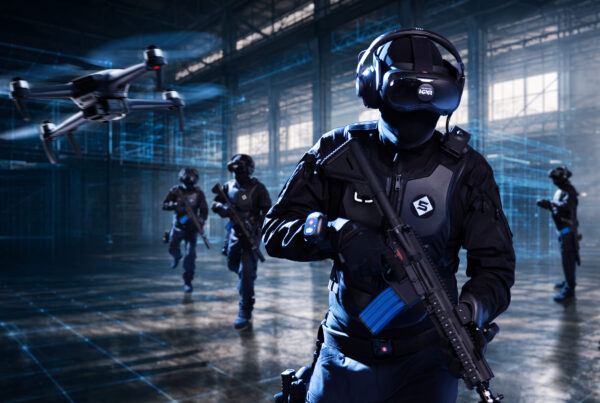
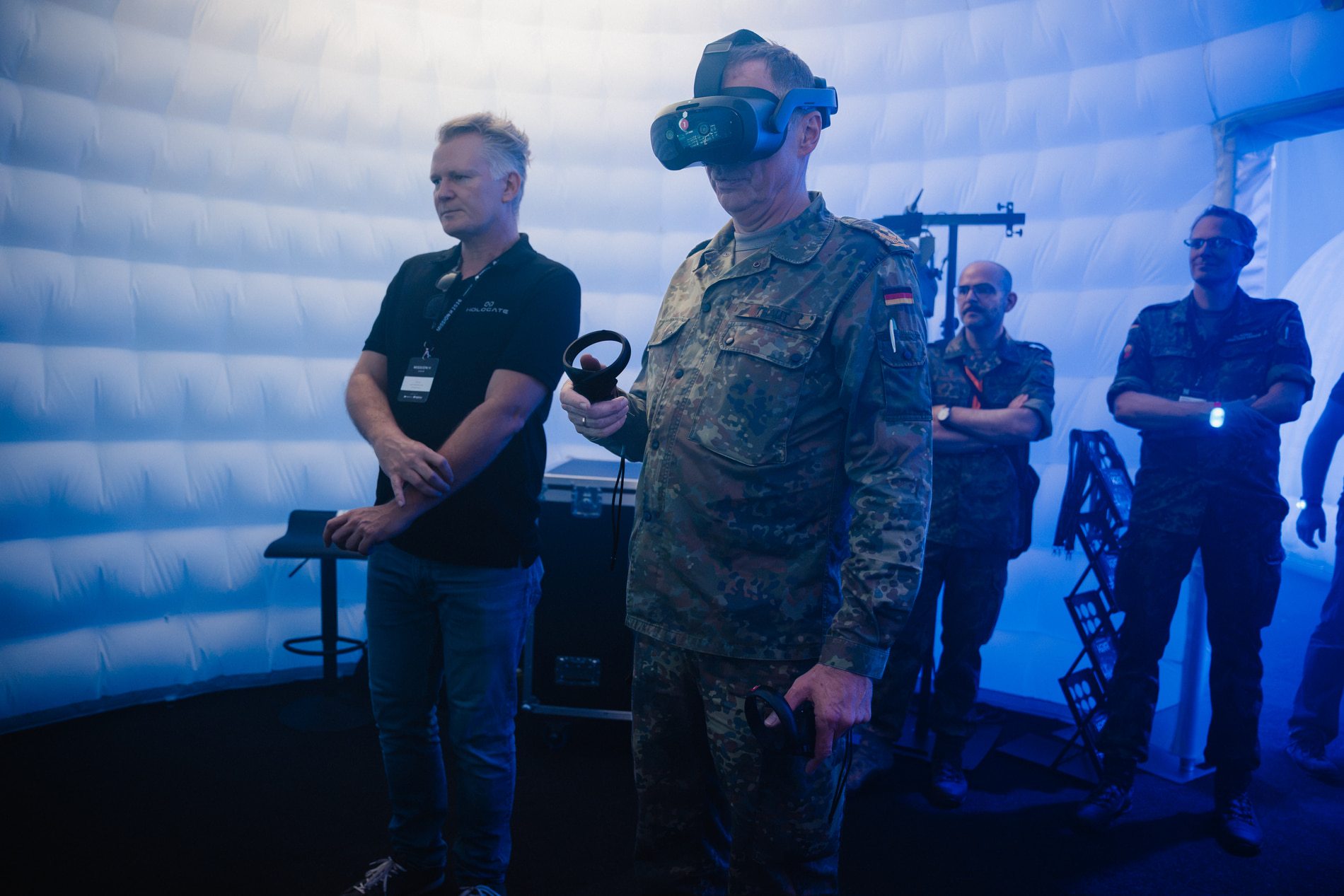
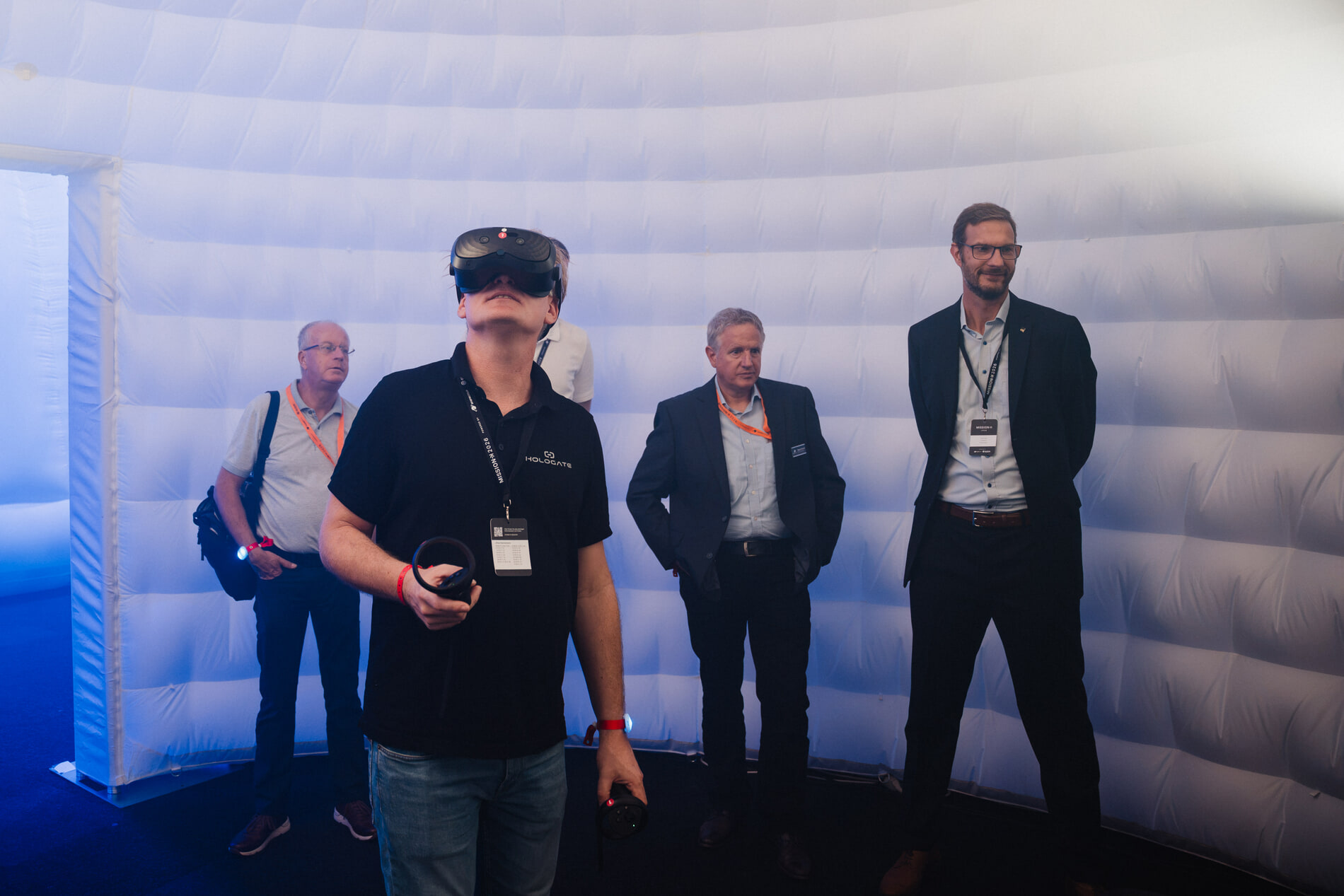
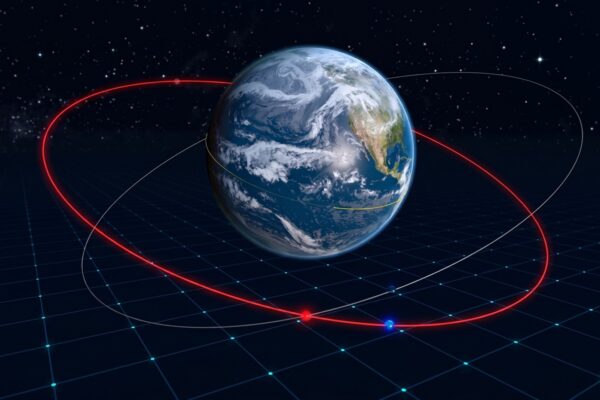
What happens to a satellite’s path when you change its orbit? Where does that path take it over Earth? At Mission K in Kalkar, visitors could explore questions like these for themselves at the HOLOGATE stand, with a VR headset on and Earth in front of them.
The experience is the first result of a system study we are working on for the Weltraumkommando der Bundeswehr (German Armed Forces Space Command) and WTD 91, the Bundeswehr’s Technical Center for Weapons and Ammunition. Together, we are exploring how virtual reality could help people learn about satellites, orbital mechanics and the challenges of working in space.
The question behind the study is straightforward: could VR make the space environment easier to understand by letting people explore it for themselves?
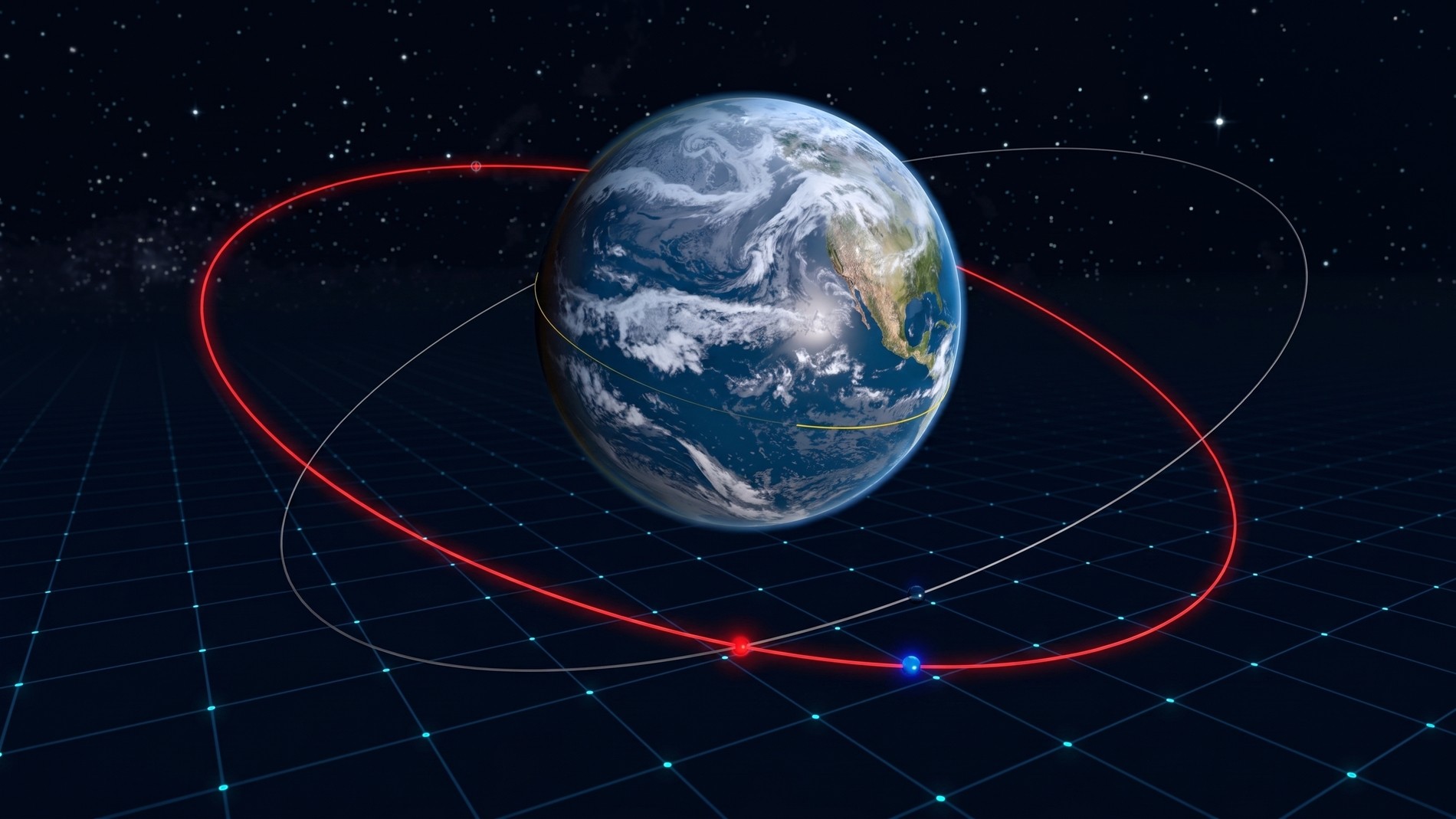
Orbital mechanics can be difficult to picture. A diagram can show a path, but it cannot give you the same sense of standing beside it, moving around it and changing it yourself. When you make a change and immediately see the result, an abstract concept becomes something you can explore.
That is what we wanted to investigate.
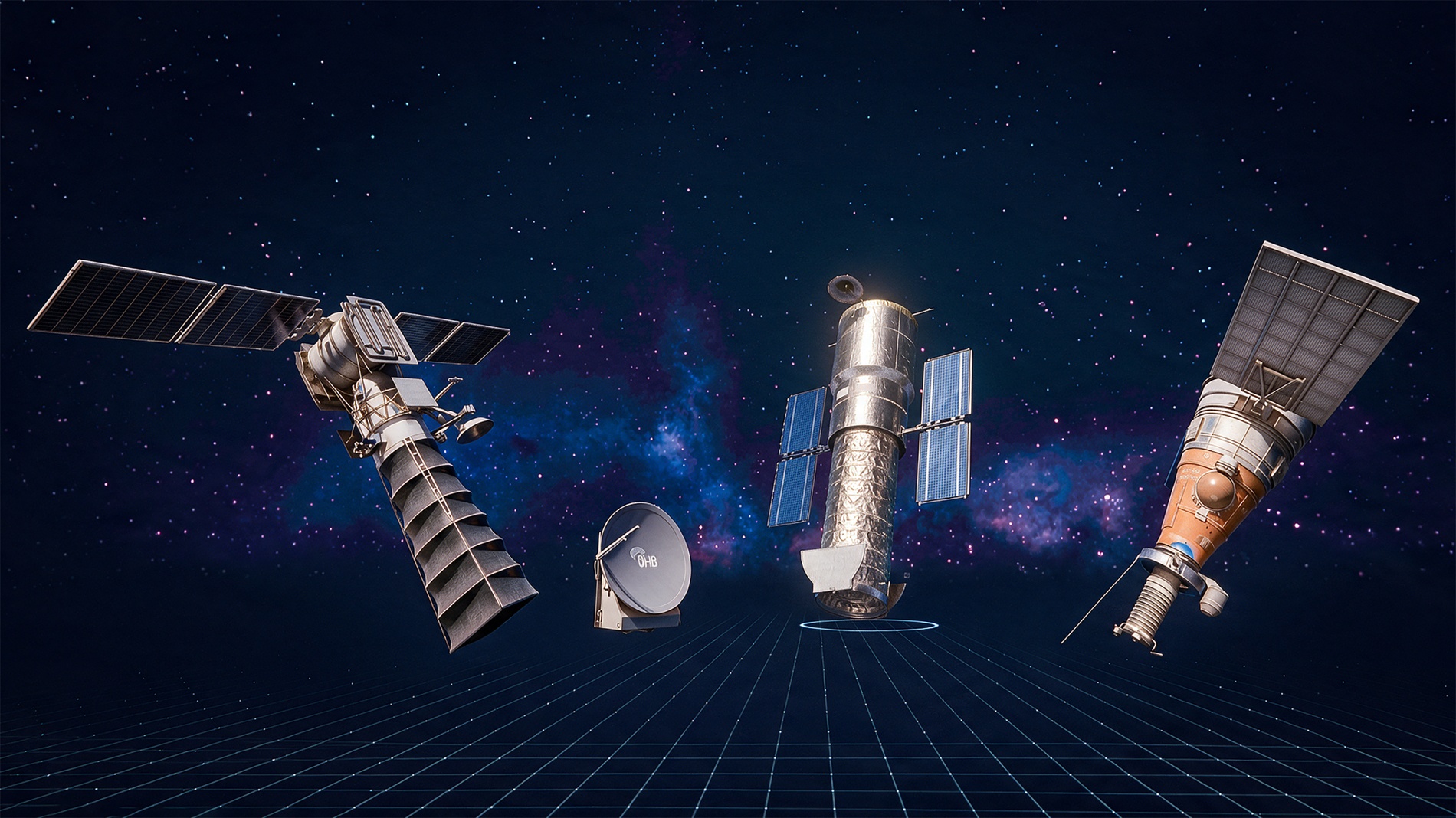
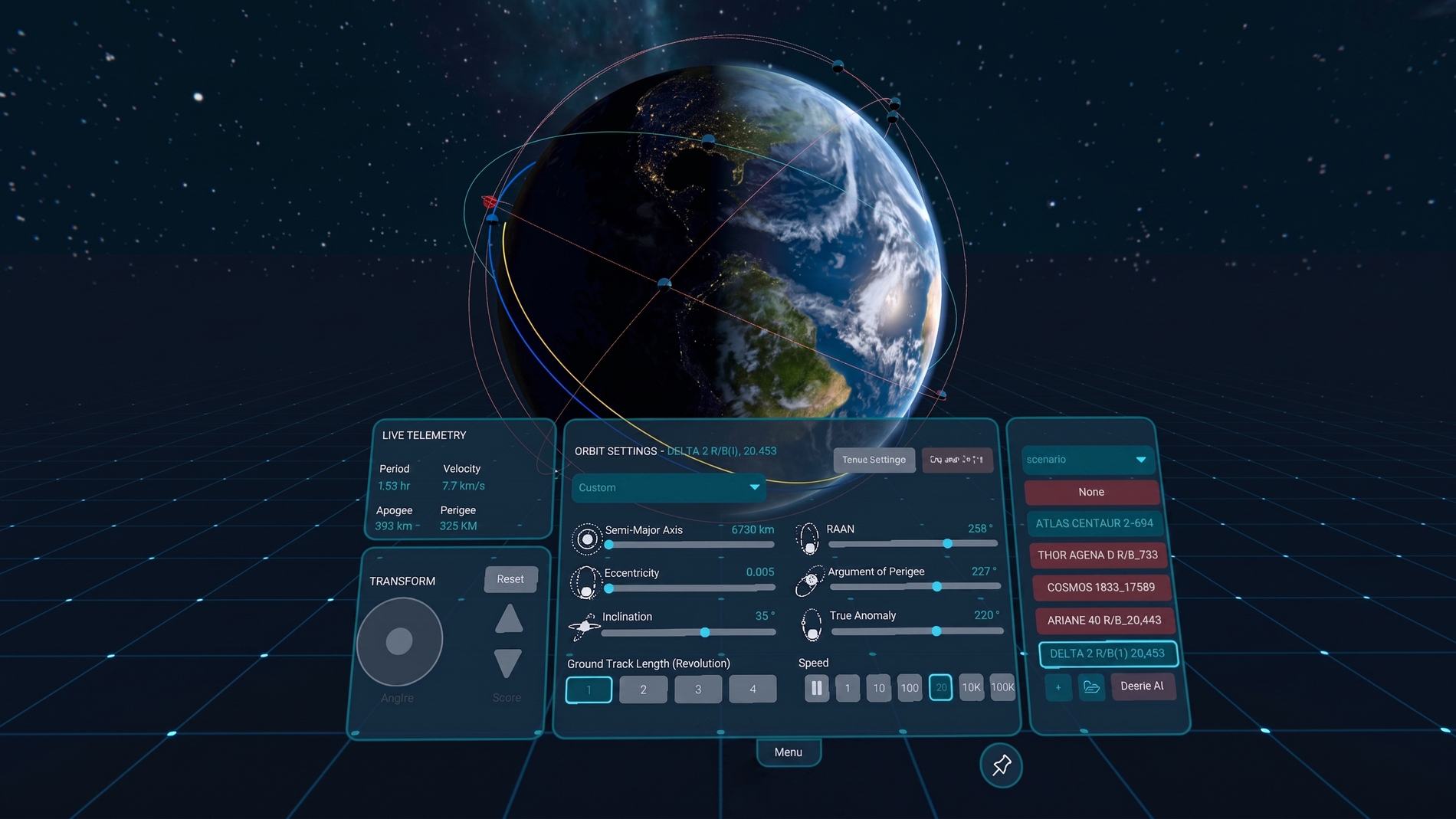
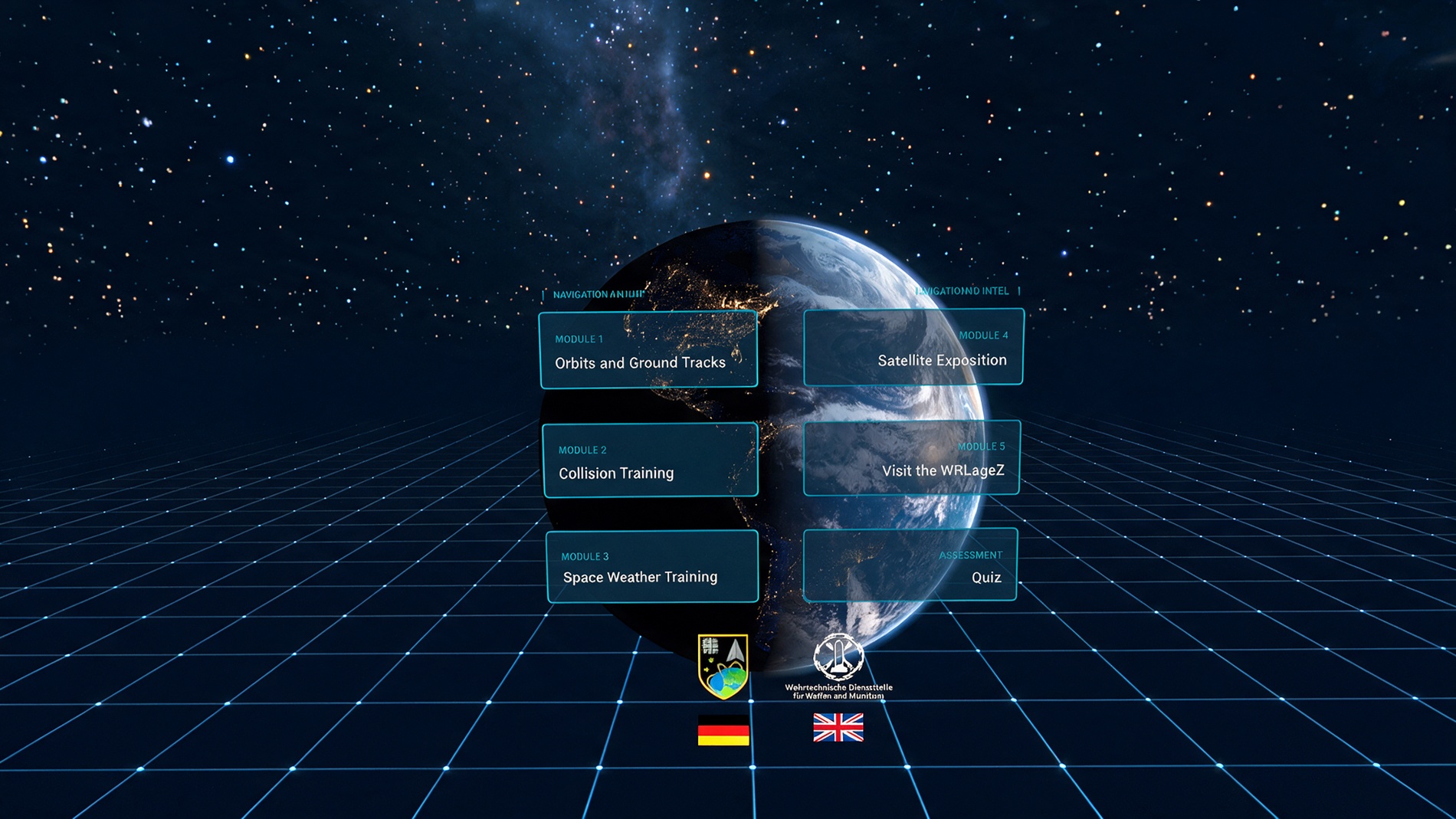
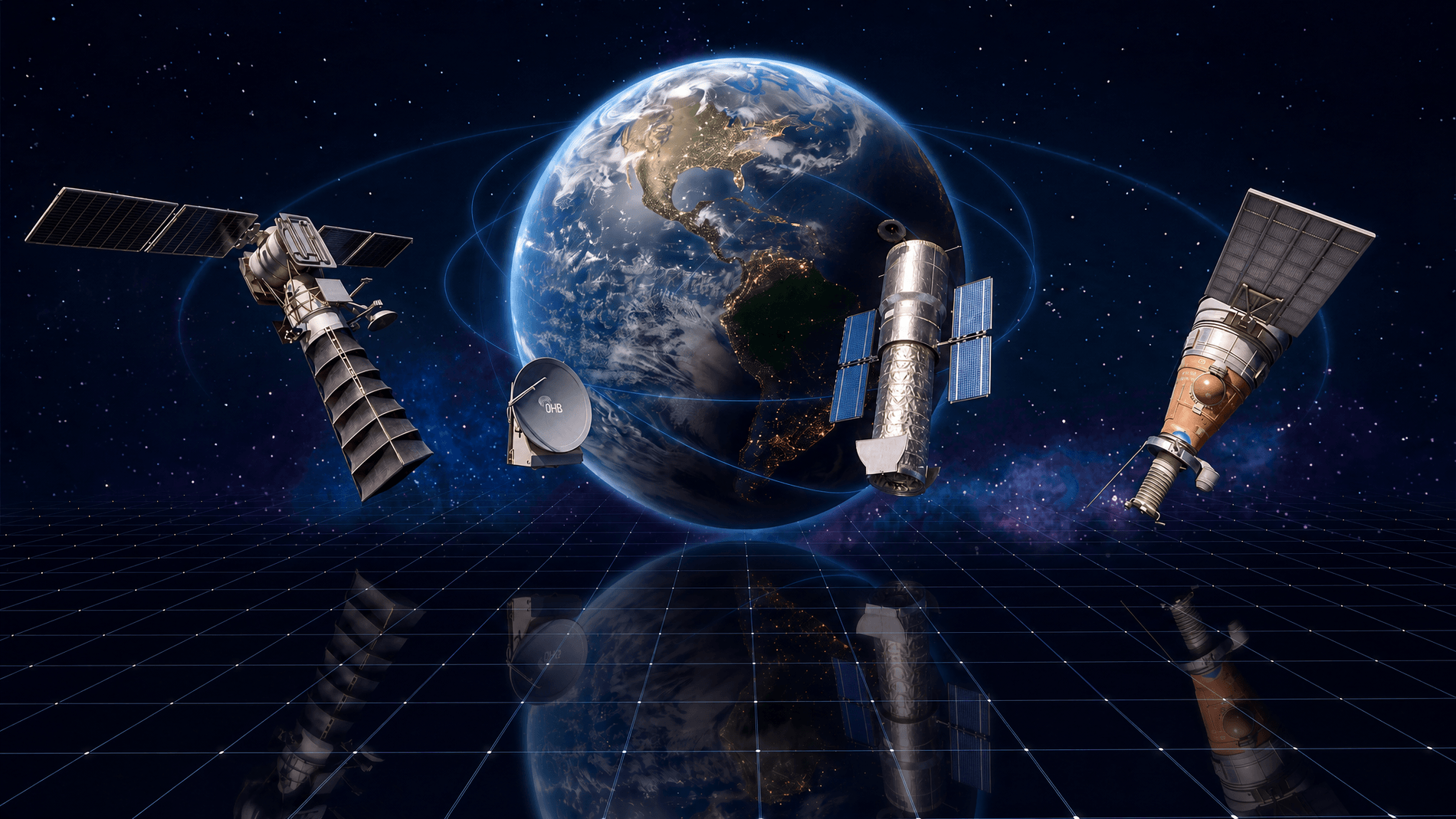
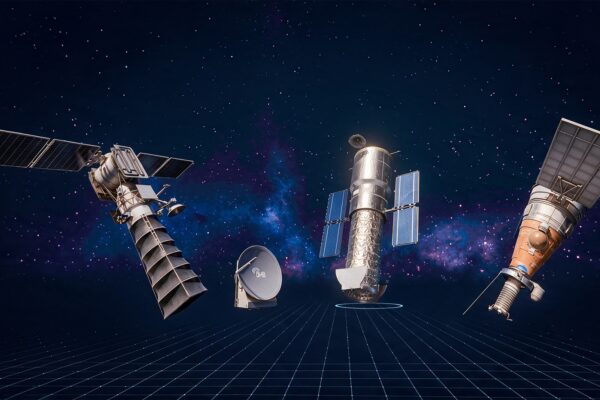
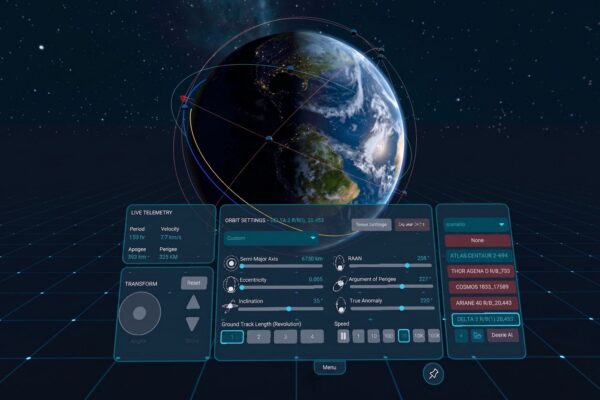
The application runs directly on a VR headset. Users can examine satellites of different sizes in three dimensions, see their orbits around Earth and bring up additional information. They can adjust example orbital parameters and see how a satellite’s path changes. They can also display a ground track to see where that orbit takes the satellite over the planet.
“Space can feel impossibly distant and abstract,” says Robert Fankhänel, COO of HOLOGATE. “What I like about this study is that you can put on a headset, change an orbit yourself and immediately see what happens – the abstract becomes tangible and much easier to explore. That gives us a much better starting point for conversations with the people who work in this field every day.”
From satellites to the bigger picture
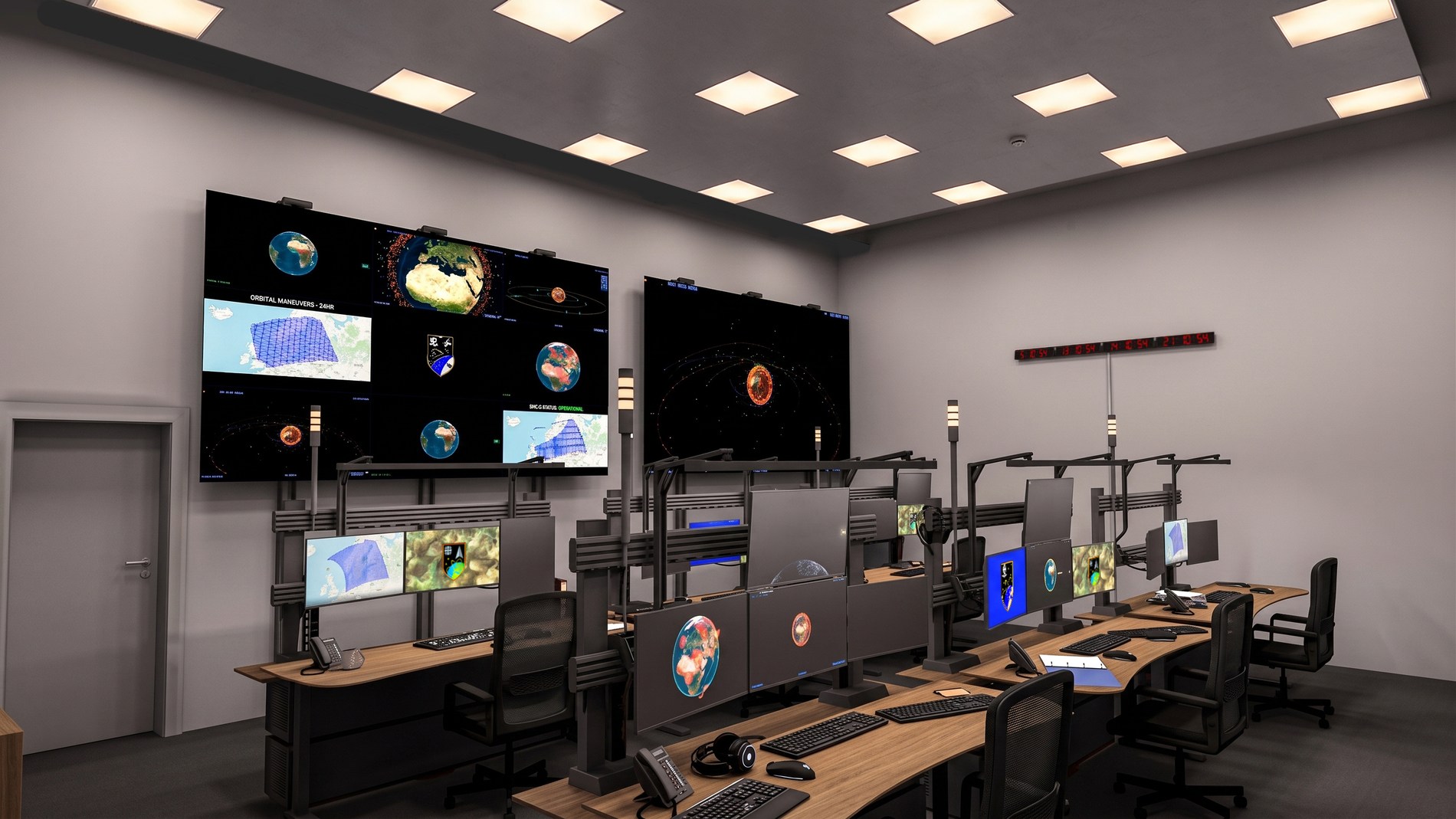
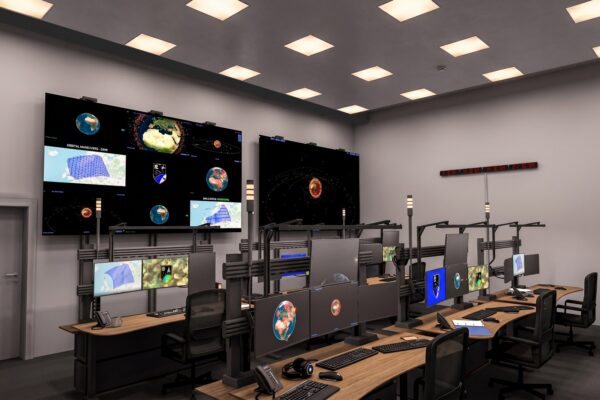
The experience reaches beyond the view from orbit. It includes a virtual representation of the Weltraumlagezentrum, the Space Situational Awareness Centre, which users can move through and explore. The wider study also looks at how VR could help explain different satellite types, potential collisions, and space weather.
Those subjects call for more than impressive visuals. A useful training experience needs to make the right relationships clear and give people meaningful things to do.
“Which details matter when examining a satellite? What is the clearest way to show the effect of an orbital change? When does an interactive scenario help someone learn?” says Leif Petersen, CEO and Founder of HOLOGATE. “We are working through questions like these with subject matter experts. And this study gives us a way to explore complex space concepts together, lets us test ideas early, and learn together what a genuinely useful training experience could look like.”
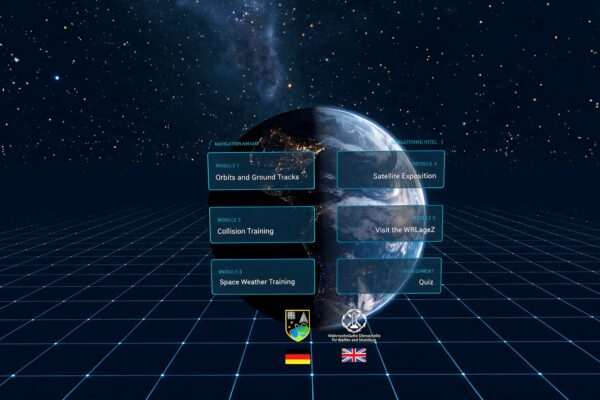
A study you can step into
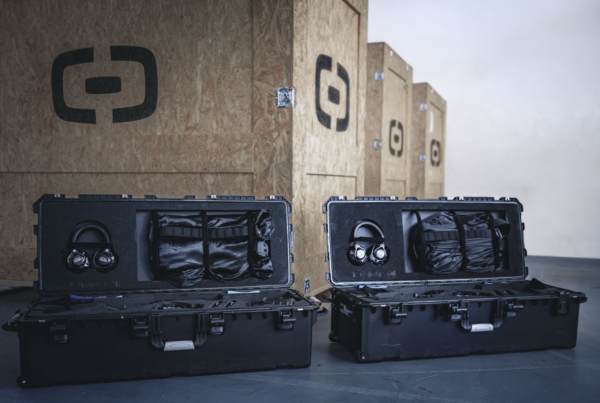
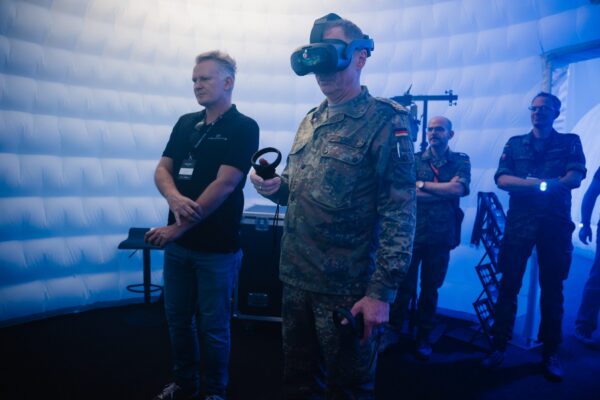
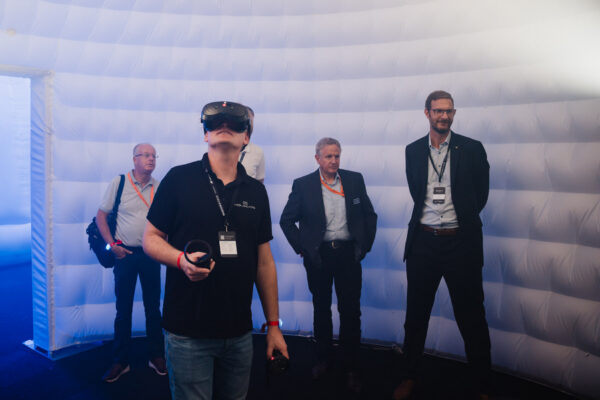
Visitors could put on a headset and try the demonstrator at the HOLOGATE stand. Oberstleutnant Michael Frick, Weltraumkommando’s liaison officer to the German Space Agency at DLR, also presented the wider study and solution on stage, giving the hands-on experience its broader context.
The demonstrator shown at Mission K, under the watchful eye of General Major Michael Traut, the commander of the German Armed Forces Space Command, is just a starting point, not a finished training system. It allows ideas to be tested in a form people can actually use, from manipulating an orbit to exploring information in a virtual environment. It also lays the groundwork for possible future modules, including guided learning, new scenarios and experiences for multiple users.
You can explain an orbit in words. You can show it in a textbook or on a screen. Or you can hand someone a headset and let them change it, manipulate it, and experience it themselves.
That is the value of this stage of the study: making the ideas tangible, learning from the demonstrations and continuing to develop the solution with the people who understand the domain best.