The most valuable time at a training ground may begin before arrival – insights from Robert Fankhänel, former Bundeswehr officer and company commander.
Extended Reality (XR) is having a major impact on military training, but some training activities depend on being physically present. Personnel need to move through the real environment, operate equipment, respond to changing conditions, and experience the real physical and mental demands of an exercise. But bringing even a single military unit together at a training ground requires considerable planning. Personnel, vehicles, equipment, and instructors must be available in the same place, often within a tightly scheduled window. And once the unit arrives, every minute matters.
The practical questions become how to most effectively use the time at a training ground and how to maximize the impact of that training once there? And it seems the answer involves looking at those things which can be done prior to the unit’s arrival.
Before an exercise begins, personnel need to understand the terrain, discuss the situation, establish responsibilities, and work through an initial plan. These tasks are essential, but they can consume valuable time at the training ground. Moving suitable parts of this preparation to an earlier stage can give a unit a stronger and more consistent starting point.
Some of this preparation would generally take place in a classroom environment or a mocked-up situation room. But the learning here doesn’t always translate fully onto the real environment the personnel will encounter. This is where XR has really added value and comes into its own.
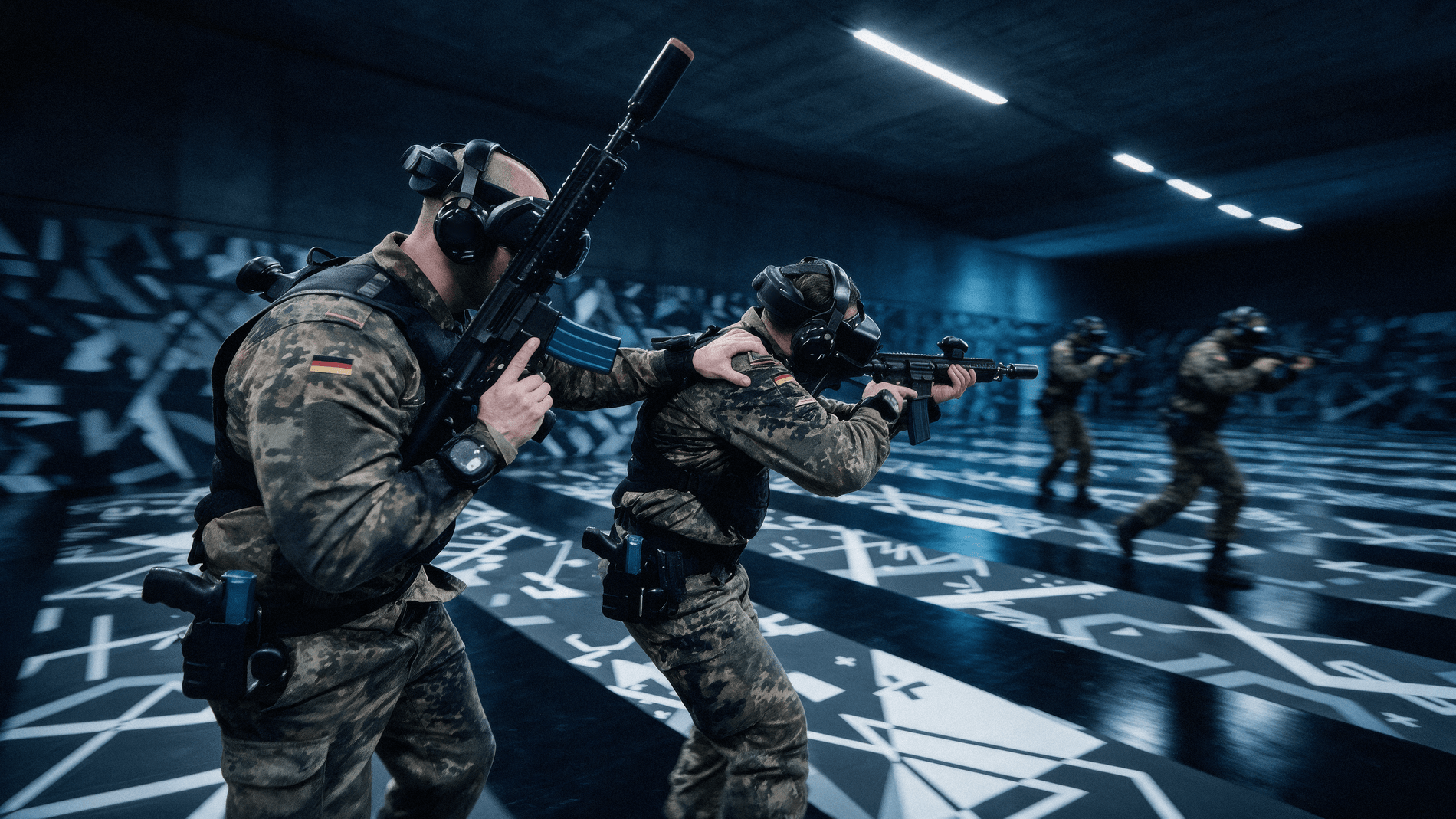
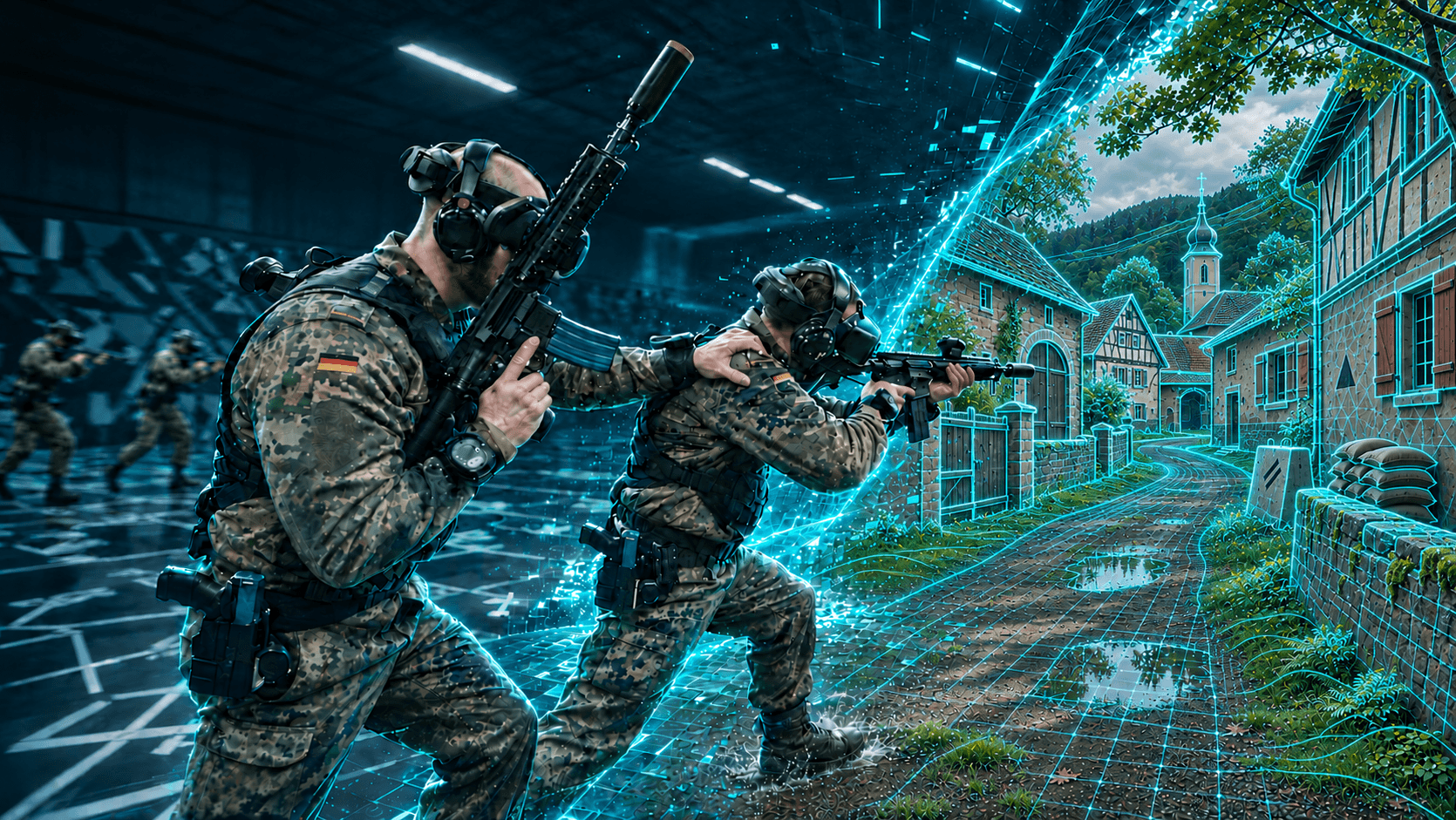
A digital twin of the training environment offers one way to support this preparation, but the benefit is not simply familiarity with a virtual map. A well-designed preparation environment helps personnel recognize the relationships between spaces. They can explore the layout together, identify routes and reference points, discuss lines of sight, anticipate where decisions may be required, identify the information they will need to share, and rehearse initial procedures before traveling to the site. This helps establish a shared understanding of the environment and can expose differences in how team members interpret the plan.
Repetition can also make this preparation more effective. XR allows training to be repeated multiple times before arriving at the training ground. A team can walk through its initial plan, identify where members have understood it differently, discuss those gaps, and try again. An instructor can challenge the reasoning behind a decision and ask what the team expects to encounter on site. The purpose is not to resolve every question virtually or reproduce every aspect of it. It is to improve the questions, strengthen coordination, and sharpen decision-making before the live exercise begins.
Immersive details or repetition alone do not make a simulation useful or guarantee a better use of training ground time. Especially as the virtual phase cannot replace the reality of parts of training like weather, physical exertion, equipment handling, uncertainty, and the pressure of operating in a real environment and adapting in real time. This makes the transition from virtual preparation to live training particularly important.
And this is why the instructor always need to be remain central. They must define the training objectives, decide which elements of the environment matter – both in the physical and virtual worlds, and guide what is repeated and what is reviewed. Their judgment should determine where digital preparation can add value and where the real environment is indispensable.
Robert Fankhänel, COO and Co-Founder of HOLOGATE, former Bundeswehr officer and Company Commander:
“When a unit reaches a training ground, the available time should be used for the things that can only be learned in the real environment. Getting personnel, vehicles, equipment, and instructors there requires considerable effort. We should not spend the first part of that limited window establishing basic orientation or discovering that people have understood the initial plan differently.
Working with the Bundeswehr, we are examining how digital twins and multi-user XR can move suitable elements of terrain familiarization, coordination, and procedural preparation into the period before arrival. The aim is not to replace live training or take control away from instructors. It is to give them an additional tool, test it against demanding operational requirements, and determine whether units arrive better prepared and can use their time on site more effectively.”
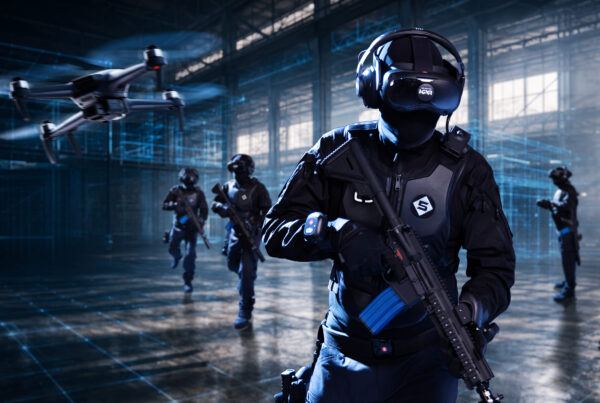
The Virtual Action Trainer, developed in close cooperation with the Bundeswehr, provides a practical foundation for this work. Its multi-user XR environments allow personnel to prepare together while instructors guide, observe, and review the exercise. The next step is to connect this preparation more closely with real training locations and evaluate whether it helps units arrive better prepared and make more effective use of their time on site.